- Home
- Classical Fingerstyle Portal
- 15 Actionable Guitar Lessons
- Classical Guitar Technique
- Guitar Lessons
- Beginner Lessons
- Guitar History
- The Renaissance Guitar
- Guitar Time Line
- Classical Guitar Blog
- Contact
- About Author
- Site Search
- Privacy Policy
- Site Map
- Classical Guitar Study Course 3.0
- Instant Classical Guitar Repertoire
- Classical Guitar Lessons For Beginners
Free Guitar Lesson Page
Free Guitar Lesson: Slur Study by Carulli
This free guitar lesson I have provided by Italian guitarist and composer Ferdinando Carulli had a lasting impact on classical guitar. Exploring Carulli's compositions, studies, and musical works has been beneficial to guitarists throughout the years and has had a big impact on how they continue to develop as artists. Carulli's music offers technical challenges to aspiring guitarists, but it also establishes the foundation for developing essential skills and melodic sense. Now let's examine the guitarists' long-term gains from Carulli's contributions.
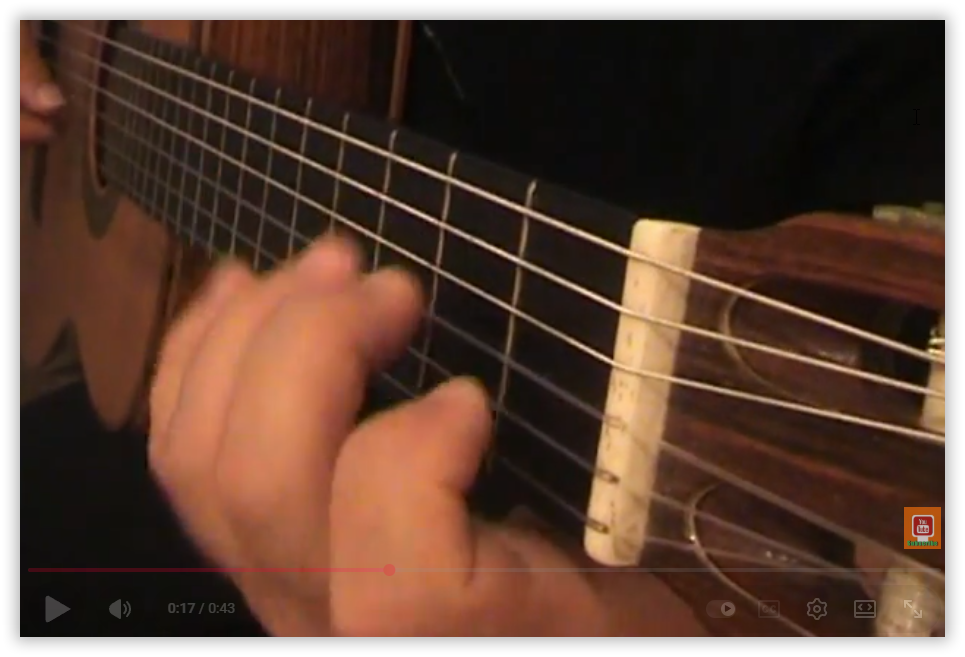

You can get the sheet music for this in both music notation and tablature by joining the 'Classical-Fingerstyle Guitar Portal', and don't worry, it's free!
https://www.learnclassicalguitar.com/Classical-Guitar-Fingerstyle-Portal
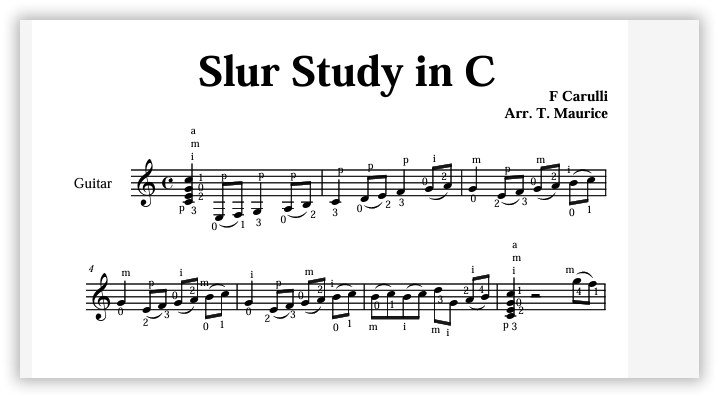
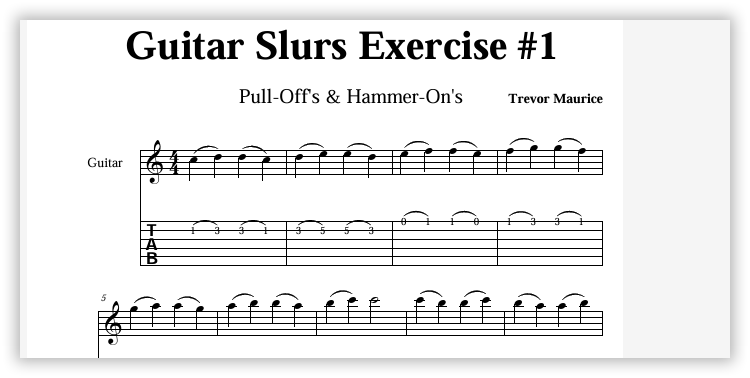
Carulli's studies and exercises are well known for their success in teaching. He concluded that practice materials needed to be arranged in a methodical manner in order to improve technical proficiency on the instrument. Most guitarists these days know that playing scales, arpeggios, and chord progressions in a legato fashion is pretty much required when it comes to Carulli's work.
Guitarists may build a strong foundation of finger dexterity, coordination, and general technical skills by participating in these lessons on a regular basis, starting with this free guitar lesson! Carulli's approach allows guitarists to progressively hone their skills while improving their performance quality.
Carulli's compositions are not only technically impressive but also melodically abundant. His works have the charming lyrical elegance and grace of classical music. Through Carulli's compositions, guitarists may explore a variety of musical elements, such as phrasing, dynamics, and expressiveness.
His repertory may help guitarists develop a remarkable ear for artistic interpretation, which enhances their ability to express emotion and provide captivating performances. By studying Carulli's works, guitarists may broaden their musical horizons and gain a greater understanding of classical guitar music. These pieces introduce guitarists to the musical language and style of the period.
Carulli's contributions to the classical guitar study repertoire have, over time, also served to strengthen the relationships between players. Guitarists of all ages now speak the same language because of his music. Guitarists often study and perform Carulli's compositions at competitions, events, and get-togethers. The guitar curriculum often covers his studies.
Carulli's compositions allow guitarists with similar repertory to relate to and value each other's musical experiences, which strengthens the bonds and camaraderie among musicians. Thanks to Carulli's music, guitarists everywhere may cooperate, converse, and understand one another.
Additionally, Carulli's writings provide context and insights on the development of the classical guitar. His works show how musical preferences and guitar technique evolved from the classical to the romantic era. By studying Carulli's compositions, guitarists may get a deeper understanding of the historical significance of the guitar and its role in the era's greater musical landscape. This understanding improves their ability to perceive music and allows them to engage with Carulli's compositions in a more authentic and informed manner.
His studies and compositions provide background knowledge, showcase technical challenges, foster a sense of community, and enhance musicality. By listening to Carulli's work, guitarists may develop their technical skills, widen their understanding of music, and build partnerships with musicians of all ages.
Carulli's works remain an invaluable and abundant resource for guitarists seeking to further their technical and artistic skills. The study and interpretation of Carulli's compositions by guitarists contributes to the promotion and preservation of classical guitar music, guaranteeing the legacy of Carulli for future generations.
Analysis of Slur Studies
On a classical guitar, hammer-on and pull-off slurs are fundamental skills that enable seamless note transitions. These methods, which are also known as legato playing, give your guitar playing more depth and expression. Let's look at some successful hammer-on and pull-off techniques:
Hammer-on Technique: initially, pluck the initial note with your picking hand as you would to begin a hammer-on. Then, without plucking the next note, quickly "hammer" down with your fretting hand to create the following note by hitting the appropriate fret. The pounding movement should have enough power to generate a distinct, audible sound. To get the hammered note to sound clearly, you must exert enough pressure to guarantee a solid connection between the strings and the fretboard.
The following are important things to keep in mind while doing Hammer-Ons:
Strike the string with your finger pad. This will improve accuracy and control. Keep your fingers and hands relaxed. Hand tension might be a hindrance to the Hammer-On’s smoothness. Remember how crucial it is to keep your fingertips close to the strings while using the hammer-on method. Your sound will be more regulated and clearer if you reduce the distance. Practice hammer-Ons at a modest pace and increase your speed gradually. Your fingers' accuracy and strength will improve as a result of this.
Pull-off and Hammer-on Methodology:
The pull-off and hammer-on methods are two techniques you need to master. It includes plucking a note first, then quickly moving your fingers to "pull off" the string in a sideways motion. Without having to pluck the string again, this action causes vibration against the fretboard, producing a lower-pitched sound.
The following advice can help you execute pull-offs successfully:
Start by fretting the first note and using your picking hand to pluck it.
To produce the required lower-pitched note, rapidly and forcefully "pull off" the finger that is pushing down on the string after the initial note has been played.
When you take off, keep your motion slightly sideways. By doing this, the string vibrating against the fretboard can produce a clear tone.
When doing the pull-off, keep your finger lightly touching the surface. An excessive amount of pressure may dull the tone and dampen the string.
Practice Hammer-Ons and pull-offs to become proficient in legato playing. As you gain familiarity, start with easy exercises, and work your way up to more challenging ones. Pay close attention to accuracy, clarity, and sustaining a consistent tone throughout the pulled-off and pounded notes.
Remember that persistent practice, patience, and meticulousness are necessary to perfect these skills. With practice and commitment, you will progressively become proficient at pulling off and hammering on notes, which will add richness and expressiveness to your classical guitar repertoire.
I hope you enjoyed this free guitar lesson!
Don't Just Get a Head Start - Get a FAST START!
One of the biggest challenges in learning to play classical guitar is to know where to start.
That's why I created the ‘Classical/Finger Style Guitar Lessons Portal’ which helps you to make a fast and logical start. You can join here...
https://www.learnclassicalguitar.com/Classical-Guitar-Fingerstyle-Portal
Oh, and did I mention - it’s FREE? 😊
Just
follow these 3 easy steps...
1. Enroll in the Classical-fingerstyle Lesson Portal here...
https://www.learnclassicalguitar.com/Classical-Guitar-Fingerstyle-Portal
2. Select the lessons you want to practice
3. Start making progress on the classical guitar
If you're really serious about learning classical guitar, you can also download your copy of...
"Ten Important Skills You Need as a Classical Guitarist" (inside the portal).
P.S. If you resonated with this idea I think you're going to love how the portal gives you an advantage and a fast start in playing classical guitar. You can join in literally seconds here...
https://www.learnclassicalguitar.com/Classical-Guitar-Fingerstyle-Portal



Go here for my YouTube Page...
Free Guitar Lesson - Frequently Asked Questions
Q1: What skill does this free lesson focus on?
Q1: What skill does this free lesson focus on?
This lesson focuses on slurs (hammer-ons and pull-offs) using a short study by Ferdinando Carulli to build smooth legato and left-hand strength.
Q2: Do I need to read music to use this
lesson?
Q2: Do I need to read music to use this lesson?
No. The study is available in standard notation and TAB, so you can follow along either way.
Q3:
How long should I practice slurs each day?
Q3: How long should I practice slurs each day?
Start with 10–15 minutes of focused, slow reps. Aim for even volume between plucked and slurred notes, then add time as your control improves.
Q4:
What’s the difference between hammer-ons and pull-offs?
Q4:
What’s the difference between hammer-ons and pull-offs?
A hammer-on sounds a higher note by “hammering” a finger down after a pluck; a pull-off sounds a lower note by gently “pulling” the string down towards the floor after a pluck.
Q5:
What’s the most common beginner mistake with slurs?
Q5: What’s the most common beginner mistake with slurs?
Using too little finger energy and pulling upward instead of across the string on pull-offs. Keep the motion slightly sideways and stay relaxed.
Q6:
Should I practice slurs with a metronome?
Q6: Should I practice slurs with a metronome?
Yes. Start around ♩ = 50–60 and only increase speed when the tone of the slurred note matches the plucked note.
Q7:
Do I need long nails for this lesson?
Q7: Do I need long nails for this lesson?
Not required. Nails can help with projection, but this study primarily develops left-hand legato. Focus on clarity and evenness first.
Q8:
Which strings should I use?
Q8: Which strings should I use?
Any good-condition nylon set works. Fresh strings make it easier to hear whether your slurs are clean and ringing.
Q9:
My slurs buzz or die quickly, so how do I fix that?
Q9: My slurs buzz or die quickly, so how do I fix that?
Keep your fretting fingertip close to the fret, press with minimal but solid pressure, and ensure the pull-off doesn’t mute adjacent strings.
Q10:
Where can I get the notation/TAB and notes for this piece?
Q10: Where can I get the notation/TAB and notes for this piece?
Join the Classical/Fingerstyle Portal (it’s free) to download PDFs, lesson notes, and supporting materials.
Q11:
What should I practice after this lesson?
Q11: What should I practice after this lesson?
Alternate a slur study day with an arpeggio/scale day. When consistent, explore Carulli and Giuliani progressive studies for steady technique growth.
Q12:
Can I ask questions about this lesson?
Q12: Can I ask questions about this lesson?
Yes. Inside the Portal you can post questions and get help on fingerings, tone, and practice routines.
Still Haven't Found What You're Looking For?
If you need more basic training before you can make use of these free guitar lessons go to the Beginner Guitar Lessons Page...
Recent New Pages:
What is Classical Guitar Playing?
About Contact Privacy Policy Site Map Site Search